Bag Manufacturing for Retail Chains That Can’t Afford a Bad Shipment
When you’re stocking hundreds of stores instead of one warehouse, there’s no room for a batch that doesn’t match the sample, a shipment that misses its window,
or paperwork that doesn’t hold up at customs. We build for retail chains the way retail actually works — consistent quality across massive volume, deadlines built around
your shelf dates, and the compliance documentation your buyers already expect to see.
Trusted Supplier to Retail
Brands and Chains Worldwide
19
300,000
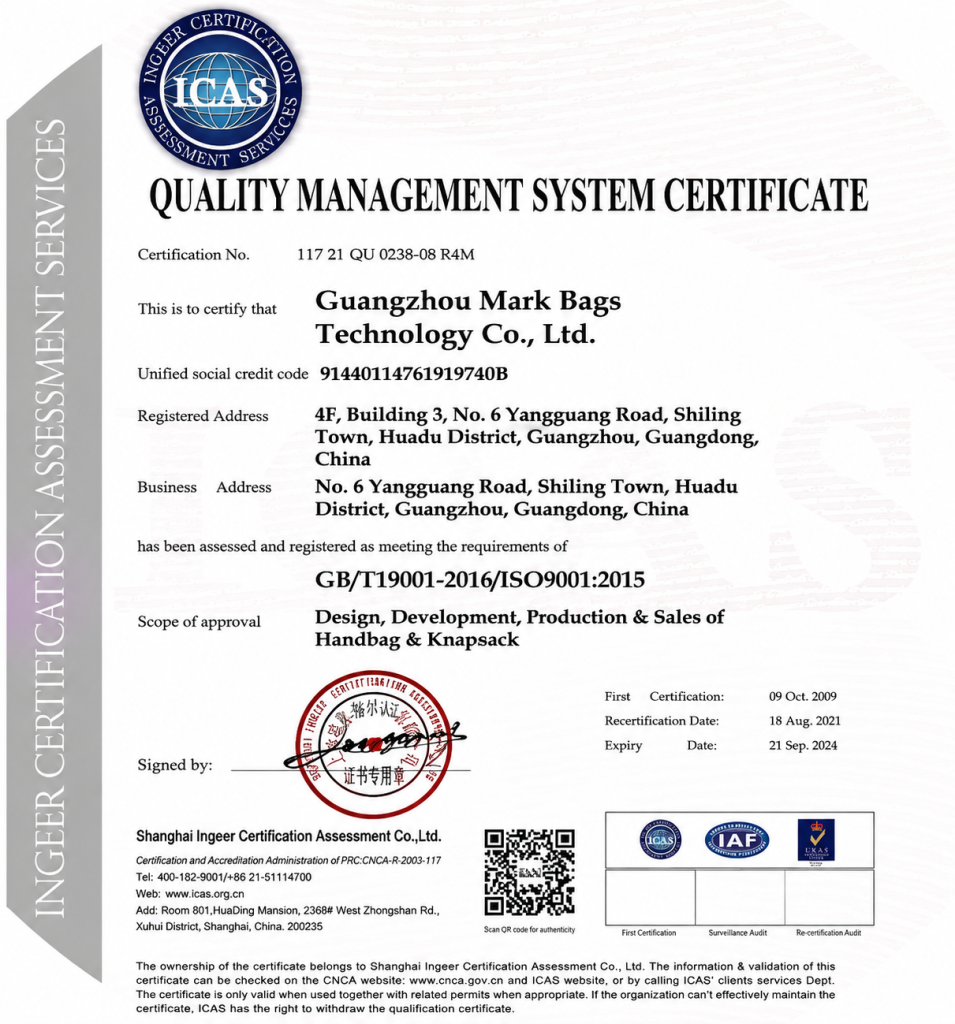
ISO 9001
75+
Years — Retail-grade OEM Manufacturing Since 1994
Units — Monthly Production Capacity
Certified Quality Management System
Countries — Active Retail Clients & Distribution
What Retail Chains Actually Need From a Bag Manufacturer
Buying for one store and buying for three hundred are completely different problems. At retail chain volume, small issues that a single shop might shrug off turn into a recall, a chargeback, or a buyer who won’t take your next call. Here’s what tends to break down — and how we keep it from happening.
Challenge 1 — Batch Inconsistency
A bag that passed inspection in March looks slightly different by August — a different stitch tension, a hardware finish that’s drifted, a lining that feels thinner than the approved sample. Nobody changed anything on paper, but ten different production runs over a year inevitably means ten slightly different products, unless something is actively holding the line.
Answer: Every approved sample becomes the locked reference for every run after it — same suppliers, same materials, same checkpoints, whether it’s run 1 or run 40. If a material has to change for any reason, we flag it to you before production, not after a buyer notices on the shelf.
Challenge 2 — Missing Certifications
Retail buyers ask for documentation a small online shop never would — CPSC compliance, REACH testing, country of origin paperwork, sometimes audits specific to a retailer’s own vendor program. Scrambling to produce this after an order is already placed can blow your shelf date entirely.
Answer: We keep standard compliance documentation ready ahead of time and can run additional testing for retailer-specific requirements before production starts. Tell us which certifications your buyer requires, and we confirm what’s needed and what it costs before you’re committed to a delivery date you can’t hit.
Challenge 3 — Production Capacity
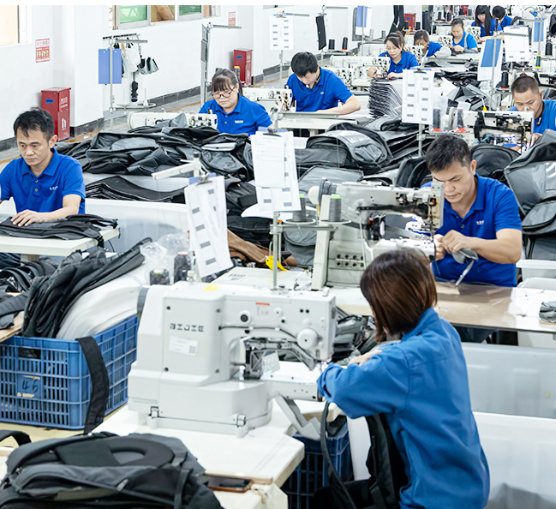
A factory that handles a few hundred units beautifully can fall apart at ten thousand — slower turnaround, quality that quietly drops as the lines speed up, or simply not enough capacity to hit a hard launch date across hundreds of stores.
Answer: We scale inspection checkpoints alongside volume, not after a problem shows up, and plan materials and production schedules around your shelf dates rather than treating timelines as a rough guess. Big orders get built with the same discipline as small ones, not less.
Challenge 4 — Sustainability Requirements
More retail chains are requiring proof of sustainable sourcing before they’ll even open a vendor relationship — recycled content percentages, certified materials, documented supply chains. A vague “eco-friendly” claim doesn’t pass a retailer’s vendor compliance review.
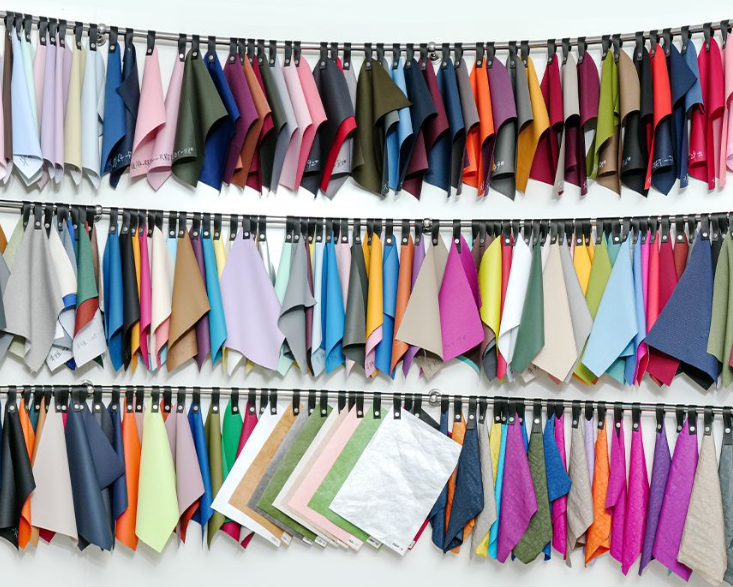
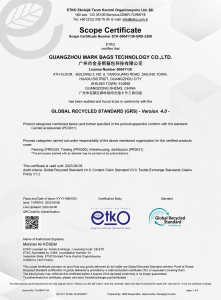
Answer: We work with GRS-certified recycled materials and other verified sustainable options, with documentation that traces back to source — built to satisfy a retailer’s compliance team, not just a marketing claim on a product page.
The Compliance Documentation Your Vendor Qualification Team
Will Actually Ask For
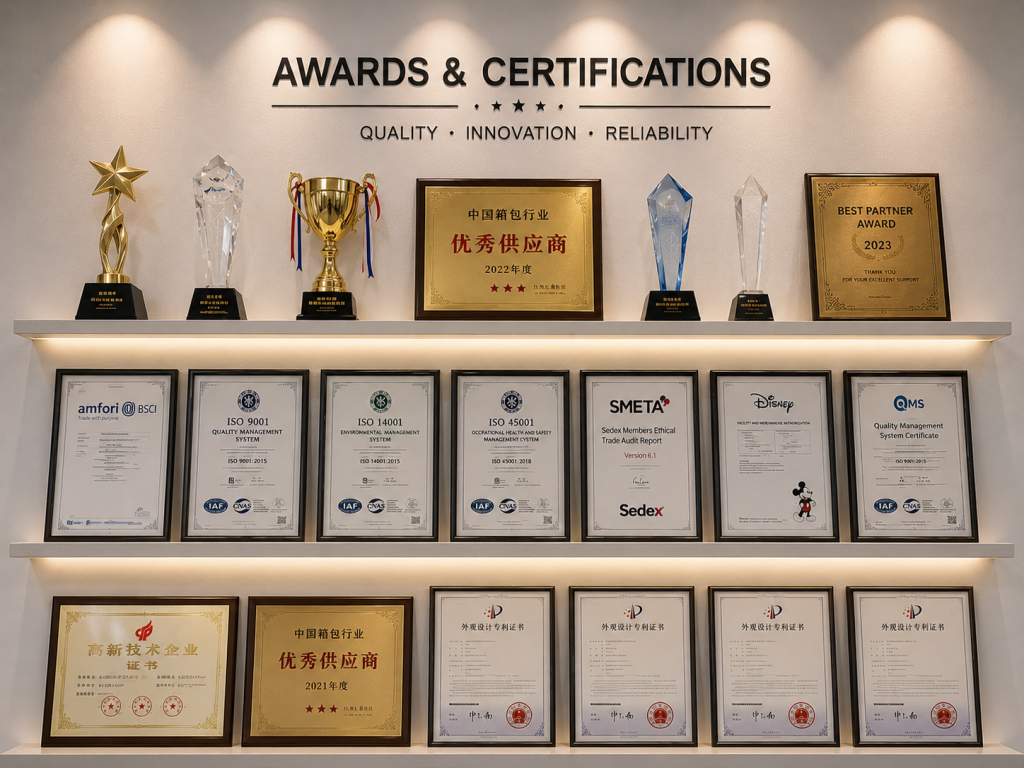
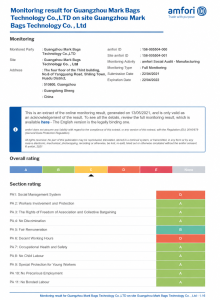
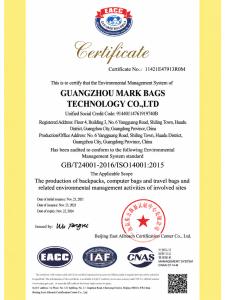
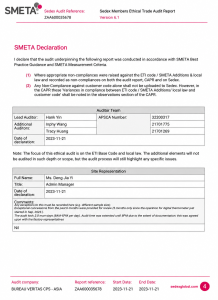
Getting approved as a retail vendor isn’t just about having a good product — it’s about having the right paperwork before anyone asks for it. Most factories can make a bag that looks fine on the surface; fewer have the testing reports, audit records, and certification trail that a retail buyer’s compliance team needs to tick every box before they put you on the approved vendor list. Here’s what we can put in front of yours.
Every Bag Category Your Retail Floors Need — Made by Mark
Most factories do one or two categories well and stretch to cover the rest. We manufacture across the full range, so your buying team isn’t piecing together five supplier relationships to fill one floor plan.
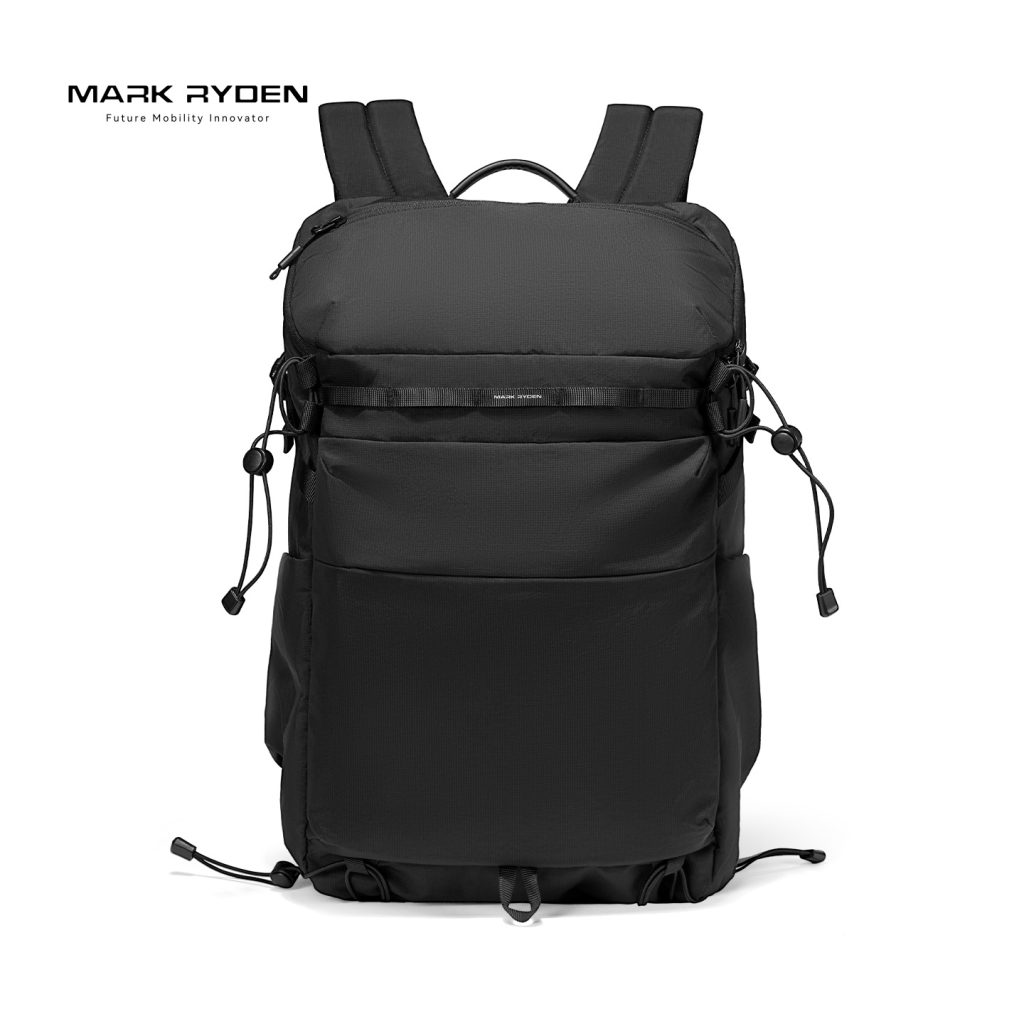
Outdoor Backpacks Built for people who actually go outside — not just people who like the look of it. Tough fabric, straps that distribute load properly, and a layout that makes sense when you’re packing in the dark before a 5am start.
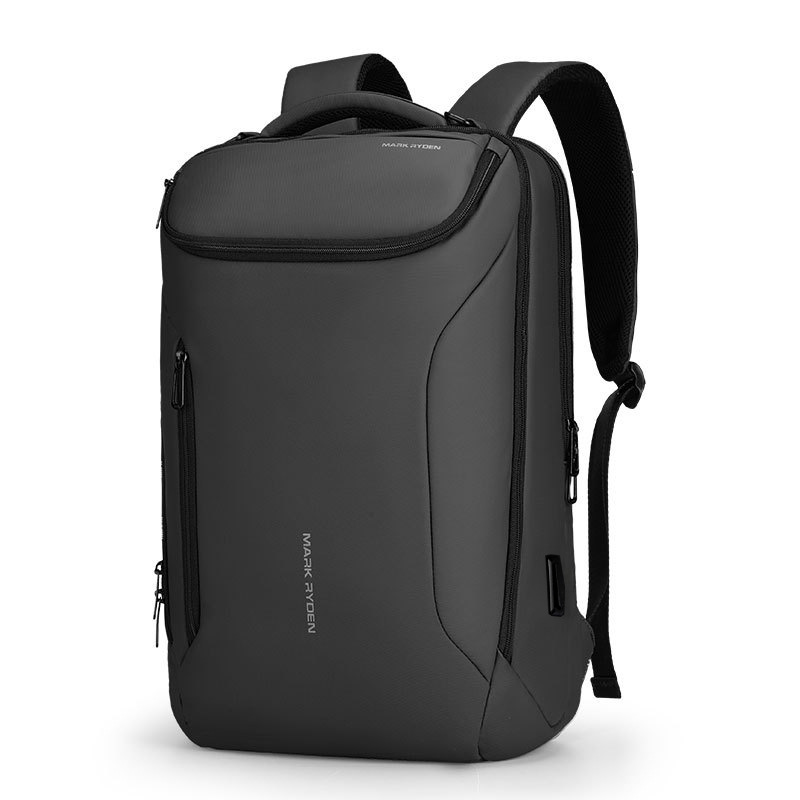
Business Bags Padded laptop sleeves, cable pockets that don’t turn into a tangled mess, and a shape that doesn’t look out of place in a boardroom. The kind of bag someone picks up on a Monday and is still reaching for every morning six months later.
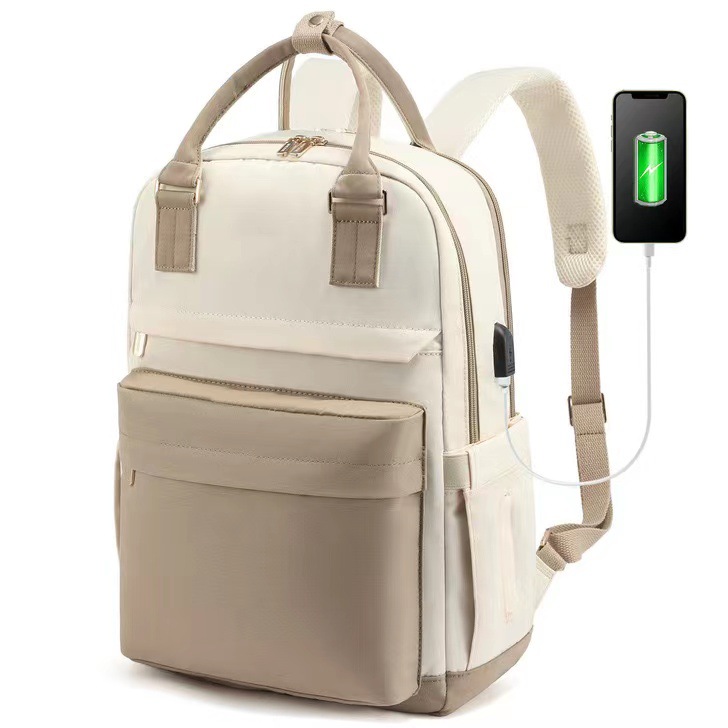
School Backpacks It needs to survive a locker, a cafeteria floor, and three years of daily use. Wide enough for a laptop and a folder, tough enough that a zipper pull doesn’t snap off by October, and light enough that a kid doesn’t complain about wearing it.
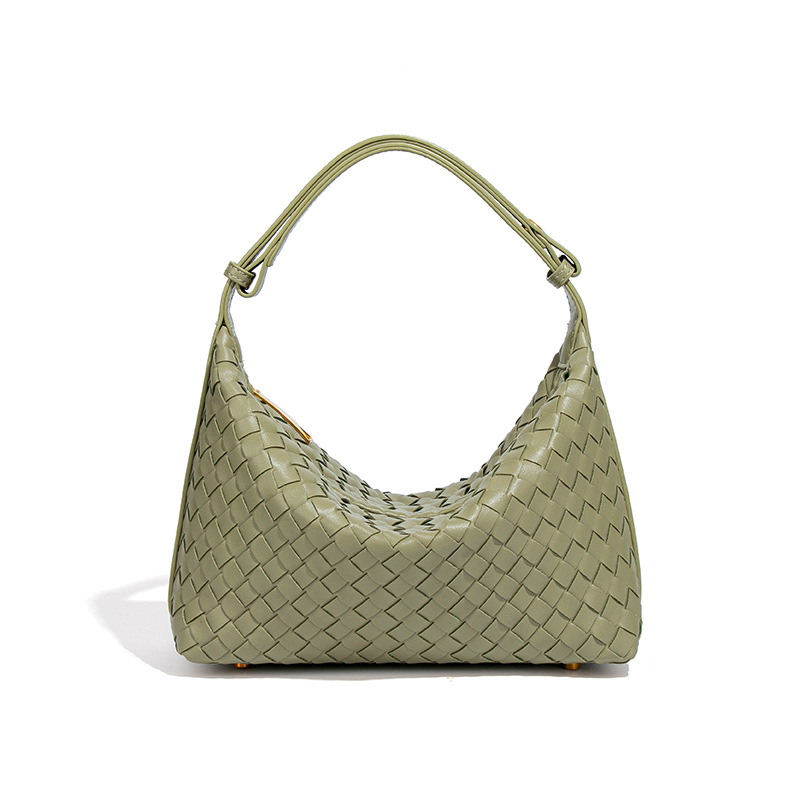
Fashion Bags The hardware catches the eye first, the construction keeps it in one piece a year later. Clean lines, finishes worth photographing, and enough structural integrity that the bag still looks good after it’s been lived in.
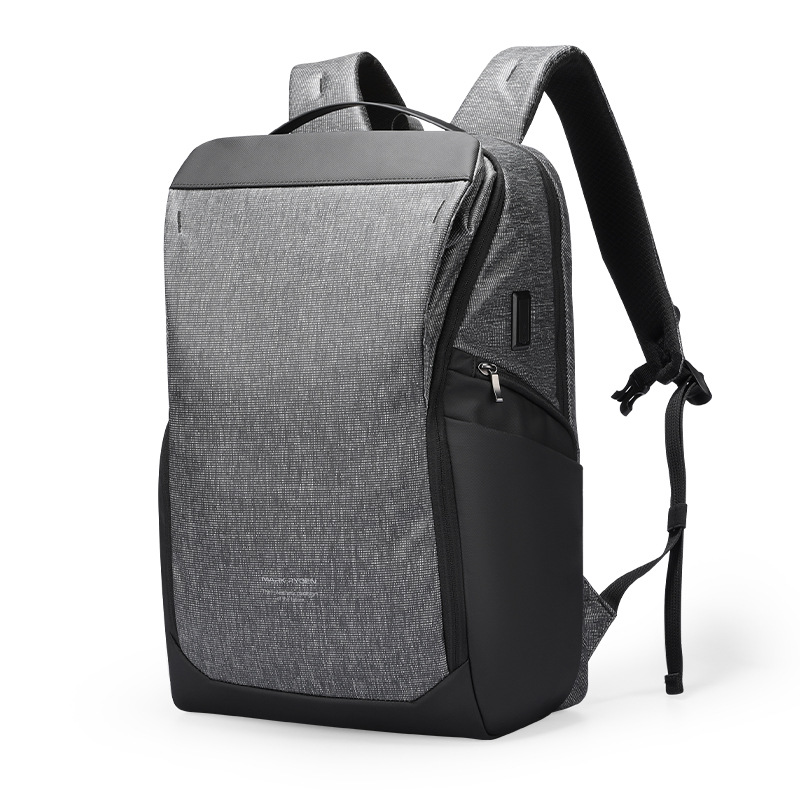
Smart Tech Backpacks A USB port that actually charges something, an RFID pocket that sits where it makes sense, a hidden zip that works without a tutorial. Features that solve a real daily problem — not just bullet points on a hang tag.
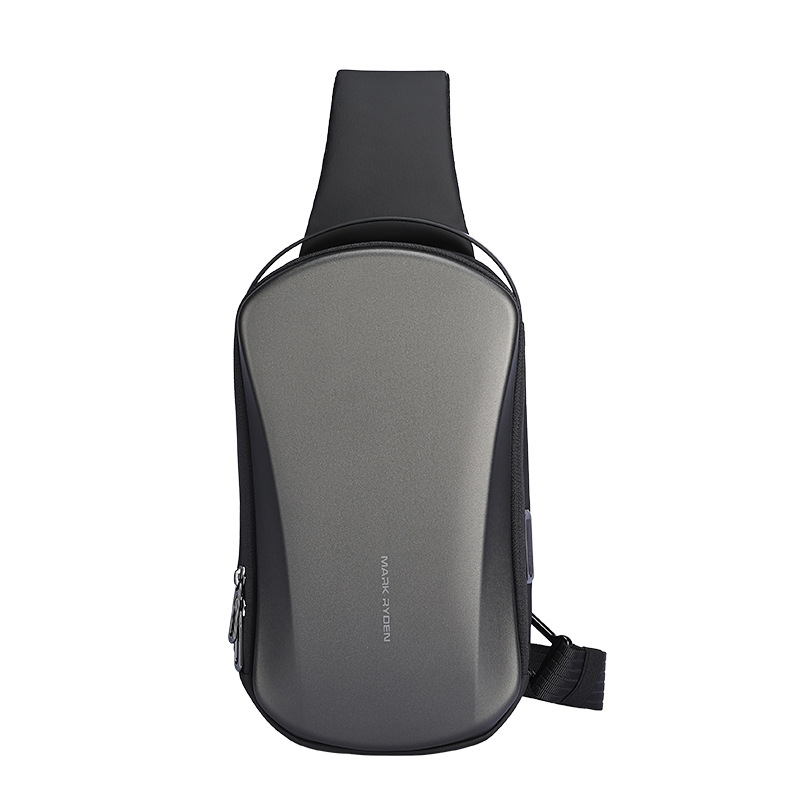
Eco-Friendly Bags Recycled and certified materials with documentation that holds up to scrutiny — not just a green label and a vague claim. For buyers whose compliance teams read the testing reports before they sign off on anything.
How Mark Manages Your Retail Supply Chain
— From First Contact to Shop Floor
Retail moves on fixed timelines and leaves very little room for things to go wrong in sequence. Here’s how we structure the process to keep yours on track.
Step 1 — Vendor Qualification Before anything else, we go through your vendor approval process — submitting factory audits, compliance certifications, and any documentation your buying team needs to add us to the approved supplier list. The paperwork gets handled upfront so it doesn’t become a bottleneck later.
Step 2 — Product Development Brief You tell us what you need — category, target retail price, materials, any features specific to your customer — and we come back with a realistic proposal before sampling starts. No surprises on pricing or lead time once production is already underway.
Step 3 — Sampling We build physical samples to your brief, not renders or catalogue photos. You approve the sample, lock in the spec, and that becomes the reference standard for everything that follows. Changes are easier to make at this stage than after a production run is halfway done.
Step 4 — Seasonal Production Planning We map production timelines backwards from your shelf dates — accounting for holidays, shipping lead times, and your DC intake windows — so the schedule is built around when product actually needs to land, not just when it leaves the factory.
Step 5 — Production & Quality Control Inspection checkpoints run through the production process, not just at the end. Cutting, assembly, finishing, pre-shipment — each stage is checked against the approved sample so a problem gets caught before it compounds into a full batch issue.
Step 6 — Delivery & Compliance Documentation Goods ship with the full documentation package your logistics and compliance teams need — packing lists, certificates of origin, test reports, retailer-specific labeling — ready before the shipment leaves, not chased down after it arrives.
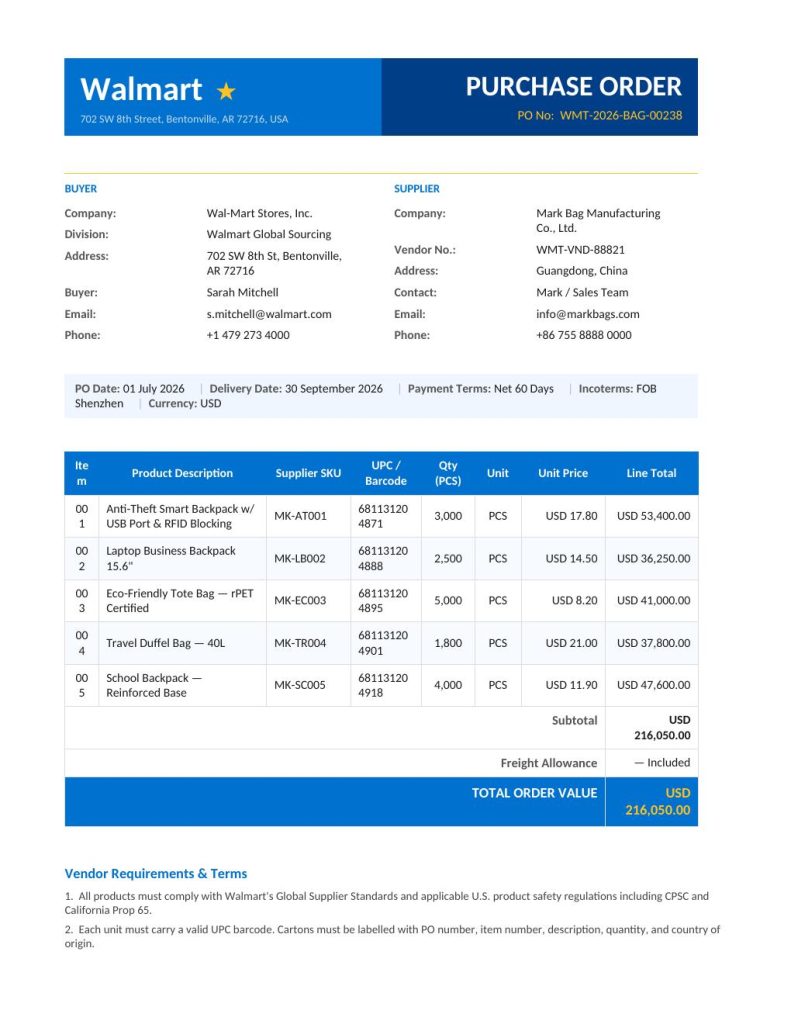
Mark and Walmart — A Retail Partnership Built on Verified Standards
Walmart doesn’t add a supplier to its approved vendor list because the samples looked good. It audits the factory, checks the compliance documentation, tests the products, and then watches the first few shipments before it trusts the relationship. We’ve been through that process — and we’re still shipping.
How the Partnership Works Walmart’s Global Sourcing division sources across multiple bag categories from Mark — laptop backpacks, school bags, eco-friendly totes, and travel bags. Each order runs into the thousands of units per SKU, with fixed delivery windows, strict carton and labelling specs, and no room for a batch that doesn’t match the approved sample.
What Every Walmart Shipment Involves Third-party pre-shipment inspection on every order. CPSC and California Prop 65 testing on all relevant components. Packaging built to Walmart’s Routing Guide — right down to barcode placement and master carton labelling. Full documentation ready before the container is sealed: commercial invoice, packing list, certificate of origin, test reports.
What This Means If You’re Not Walmart The factory infrastructure, quality checkpoints, and compliance processes we run for Walmart shipments don’t get switched off for smaller orders. A brand ordering 300 units goes through the same production standards as a retailer ordering 30,000 — because the systems don’t change depending on who’s buying.